 Skip to content



PARCELE SUAS COMPRAS NAS MELHORES BANDEIRAS
Guaranteed Purchase: Você tem até 30 dias de Garantia
Free Exchange: Você tem até 7 dias para testar o produto
Free Shipping:
Calcule o frete

Envio em 24hrs da loja
após aprovação do pagamento

Zuban
Rua do Comércio, 524 - Centro, Santa Ines - SP, 11305-000
-
999
Orders delivered in the last 60 days
-
Provides good service
-
Deliver products on time
Description
SPECIFICATIONS
Age: Teen & Young Adult
Author: Charles Duhigg
Brand Name: NoEnName_Null
Choice: yes
Condition: New
Hign-concerned Chemical: None
Language: English
Origin: Mainland China
semi_Choice: yes
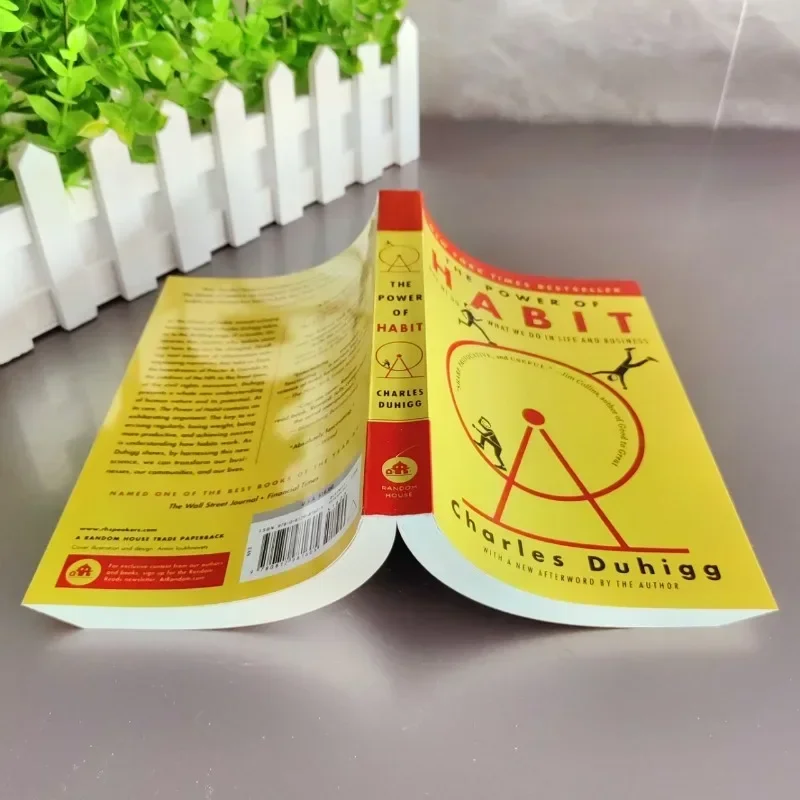
The Power of Habit: Why We Act This Way in Life and Work
Author: Charles Duhigg, a renowned journalist for The New York Times and Pulitzer Prize winner.
Core theme: This book delves into the scientific principles of "habit" and reveals how habits are formed and play a role in personal life, organizational behavior, and social movements. The core argument is that by understanding the operating mechanism of habits, we can consciously change them, thereby changing our lives and society.
The core framework of this book is "The Habit Loop"
Duhig proposed that every habit is composed of a neural circuit consisting of three parts:
Cue: a signal that triggers a habit. It can be time, place, emotional state, other people, or the previous behavior that just occurred. Suggesting to the brain to enter 'automatic mode' and determine which habit to use.
Routine: This is the habit itself, a series of actions, thoughts, or emotions that we automatically execute after suggestion. It can be physical (such as snacking), mental (such as overthinking), or emotional (such as feeling anxious).
Reward: This is the goal of the habit loop. Rewards can help the brain determine whether a specific circuit is worth remembering for the future. Rewards can be the satisfaction brought by food, the relaxation that distracts attention, the mental pleasure, and so on.
Over time, this circuit will become increasingly automated, where cues and rewards will intertwine, generating strong neural cravings (Craving). It is this thirst that drives the operation of the habit circuit.
The main content and case studies of this book
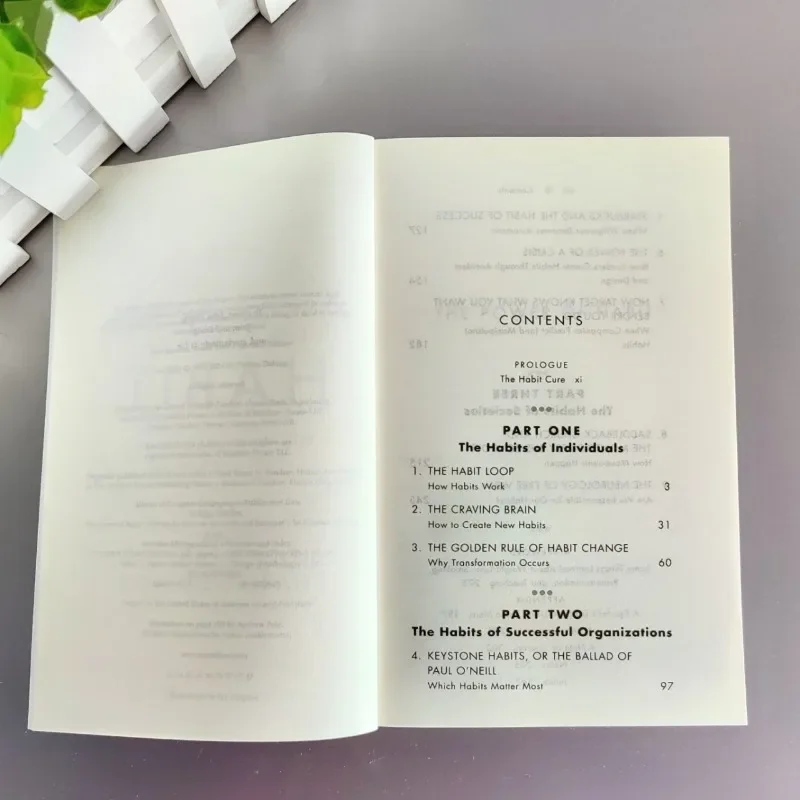
This book is divided into three parts, elaborating on the power of habits from the perspectives of individuals, organizations, and society.
Part One: Individual Habits
Core idea: Habits can be changed, but they will not be eliminated. The golden rule for changing habits is to retain old hints and rewards, and replace habitual behaviors in between.
Key case:
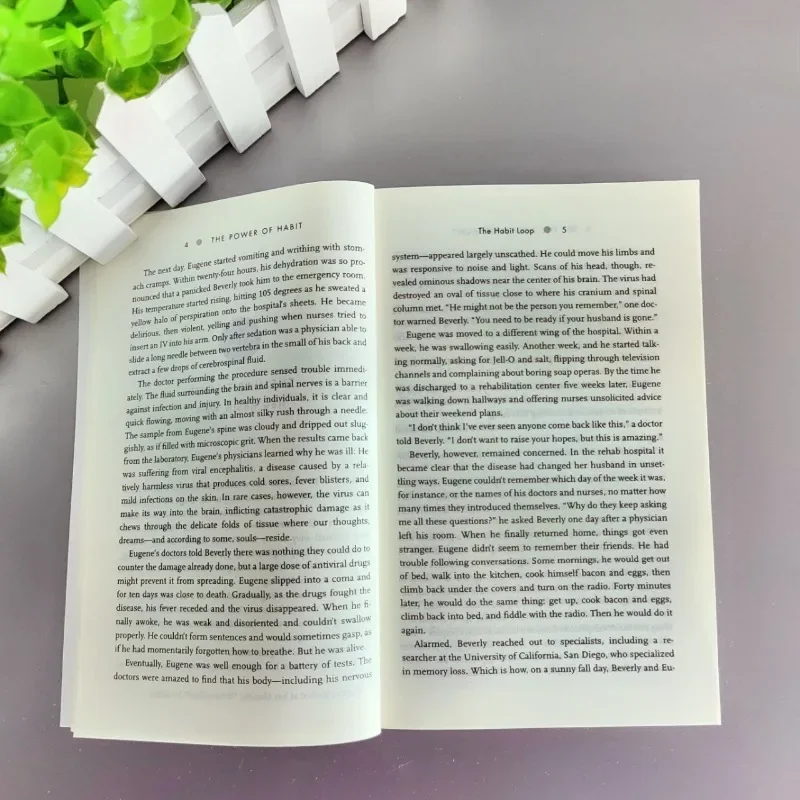
Eugene Pauley: A person who lost short-term memory due to a brain infection. Although he can't remember new things, he can rely on his habits to find the kitchen and bathroom at home. This case demonstrates how habits are deeply rooted in the structure of our brain.
The story of "Toothpaste Foam": How Pepsodent toothpaste successfully created a brushing habit by creating a "reward" (feeling the smooth "coolness" of teeth with the tongue), thus standing out in the market. This illustrates the crucial role of "craving" in driving habits.
Part 2: Habits of Successful Organizations
Core idea: Organizations and companies also have habits, which are called "conventions". The most crucial thing is the "Keystone Habits" - key habits that can trigger a chain reaction and drive changes in other habits.
Key case:
Aluminum Paul O'Neill and Alcoa: After the new CEO O'Neill took office, he did not focus on profits and costs, but made "safety production" the only goal. The successful implementation of this core habit not only significantly reduced the work injury rate, but also unexpectedly improved production efficiency, product quality, and company profits, completely reshaping the corporate culture.
Starbucks: Train employees to deal with difficult customers by transforming 'willpower' itself into a habit. They provide a clear "suggestion behavior reward" process, allowing employees to automatically respond professionally and kindly even under high pressure.
Part Three: Social Habits
Core idea: The rise of social movements often relies on habits. They typically spread through the habitual forces of weak ties and peer pressure.
Key case:
Montgomery Bus Boycott Movement: Rosa Parks' arrest is not the only reason for the movement. Her extensive social connections (weak connections) and habitual gathering places (churches) in the community provide a natural soil for the organization and dissemination of the movement, allowing protest behavior to spread rapidly like a habit.
How to change a habit? (Practical guide for this book)
Duhig provided a four step framework based on the "habit loop":
Identify routine behavior: Identify the specific behavior you want to change.
Reward Experiment: Try different rewards to determine what your true craving is. Is it relaxing? Is it a distraction? Or social?
Separate suggestion (Cue): Suggestion almost always falls into one of the following five categories: time, place, emotional state, others, previous behavior. Every time there is an impulse to perform a habitual behavior, record these five elements and the pattern will soon become apparent.
Plan: Utilize the rule of 'if... then...'. That is, if (the suggestion appears), then I will (perform a new habitual behavior) in order to receive (that reward).
For example, if you want to break the habit of snacking at 3 pm in the afternoon.
Hint: Time (3pm), emotions (fatigue, boredom).
Routine behavior: Go to the snack machine to buy a chocolate bar.
Reward: Actually, it's not hunger, but the need for a brief rest and energy boost.
Change plan: If I feel tired at 3 pm (implied), then I will stand up and walk to my colleague's desk to chat for 5 minutes (new habitual behavior), in order to get social and rest (the same reward).
summary and evaluation
Why is this book so popular?
Combining scientificity and readability: As a journalist, Du Xige excels at packaging complex neuroscience and psychology research with captivating true stories, making it easy for ordinary readers to understand.
Highly practical: it not only explains the 'why', but more importantly provides a clear framework and steps for 'how to do it', allowing readers to immediately apply it to their own lives.
Comprehensive perspective: From individuals to businesses and society, it showcases the enormous influence of habits in all aspects, making people suddenly enlightened.
Who is suitable for reading?
Individuals who hope to break bad habits and cultivate good ones.
Product managers and marketers who hope to understand user behavior and design product habits.
Managers who hope to build efficient teams and shape corporate culture.
Anyone interested in human behavioral psychology and sociology.
In summary, 'The Power of Habit' is a classic work that profoundly changes the way many people think and behave. It gives us a belief that by understanding and mastering the habitual loop, we can actively reshape our own lives and master the freedom of choice.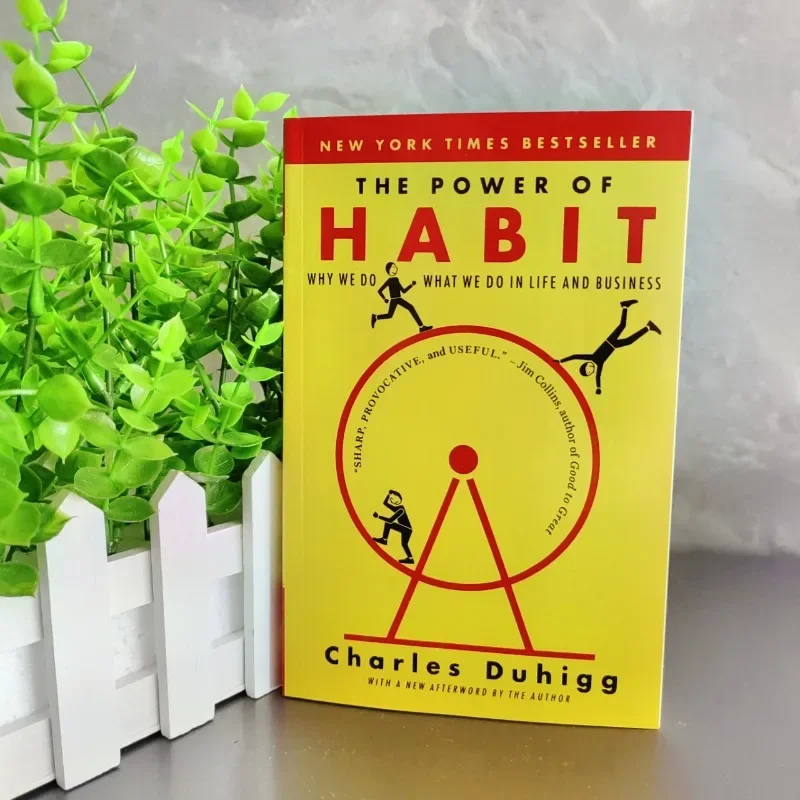
Author: Charles Duhigg, a renowned journalist for The New York Times and Pulitzer Prize winner.
Core theme: This book delves into the scientific principles of "habit" and reveals how habits are formed and play a role in personal life, organizational behavior, and social movements. The core argument is that by understanding the operating mechanism of habits, we can consciously change them, thereby changing our lives and society.
The core framework of this book is "The Habit Loop"
Duhig proposed that every habit is composed of a neural circuit consisting of three parts:
Cue: a signal that triggers a habit. It can be time, place, emotional state, other people, or the previous behavior that just occurred. Suggesting to the brain to enter 'automatic mode' and determine which habit to use.
Routine: This is the habit itself, a series of actions, thoughts, or emotions that we automatically execute after suggestion. It can be physical (such as snacking), mental (such as overthinking), or emotional (such as feeling anxious).
Reward: This is the goal of the habit loop. Rewards can help the brain determine whether a specific circuit is worth remembering for the future. Rewards can be the satisfaction brought by food, the relaxation that distracts attention, the mental pleasure, and so on.
Over time, this circuit will become increasingly automated, where cues and rewards will intertwine, generating strong neural cravings (Craving). It is this thirst that drives the operation of the habit circuit.
The main content and case studies of this book
This book is divided into three parts, elaborating on the power of habits from the perspectives of individuals, organizations, and society.
Part One: Individual Habits
Core idea: Habits can be changed, but they will not be eliminated. The golden rule for changing habits is to retain old hints and rewards, and replace habitual behaviors in between.
Key case:
Eugene Pauley: A person who lost short-term memory due to a brain infection. Although he can't remember new things, he can rely on his habits to find the kitchen and bathroom at home. This case demonstrates how habits are deeply rooted in the structure of our brain.
The story of "Toothpaste Foam": How Pepsodent toothpaste successfully created a brushing habit by creating a "reward" (feeling the smooth "coolness" of teeth with the tongue), thus standing out in the market. This illustrates the crucial role of "craving" in driving habits.
Part 2: Habits of Successful Organizations
Core idea: Organizations and companies also have habits, which are called "conventions". The most crucial thing is the "Keystone Habits" - key habits that can trigger a chain reaction and drive changes in other habits.
Key case:
Aluminum Paul O'Neill and Alcoa: After the new CEO O'Neill took office, he did not focus on profits and costs, but made "safety production" the only goal. The successful implementation of this core habit not only significantly reduced the work injury rate, but also unexpectedly improved production efficiency, product quality, and company profits, completely reshaping the corporate culture.
Starbucks: Train employees to deal with difficult customers by transforming 'willpower' itself into a habit. They provide a clear "suggestion behavior reward" process, allowing employees to automatically respond professionally and kindly even under high pressure.
Part Three: Social Habits
Core idea: The rise of social movements often relies on habits. They typically spread through the habitual forces of weak ties and peer pressure.
Key case:
Montgomery Bus Boycott Movement: Rosa Parks' arrest is not the only reason for the movement. Her extensive social connections (weak connections) and habitual gathering places (churches) in the community provide a natural soil for the organization and dissemination of the movement, allowing protest behavior to spread rapidly like a habit.
How to change a habit? (Practical guide for this book)
Duhig provided a four step framework based on the "habit loop":
Identify routine behavior: Identify the specific behavior you want to change.
Reward Experiment: Try different rewards to determine what your true craving is. Is it relaxing? Is it a distraction? Or social?
Separate suggestion (Cue): Suggestion almost always falls into one of the following five categories: time, place, emotional state, others, previous behavior. Every time there is an impulse to perform a habitual behavior, record these five elements and the pattern will soon become apparent.
Plan: Utilize the rule of 'if... then...'. That is, if (the suggestion appears), then I will (perform a new habitual behavior) in order to receive (that reward).
For example, if you want to break the habit of snacking at 3 pm in the afternoon.
Hint: Time (3pm), emotions (fatigue, boredom).
Routine behavior: Go to the snack machine to buy a chocolate bar.
Reward: Actually, it's not hunger, but the need for a brief rest and energy boost.
Change plan: If I feel tired at 3 pm (implied), then I will stand up and walk to my colleague's desk to chat for 5 minutes (new habitual behavior), in order to get social and rest (the same reward).
summary and evaluation
Why is this book so popular?
Combining scientificity and readability: As a journalist, Du Xige excels at packaging complex neuroscience and psychology research with captivating true stories, making it easy for ordinary readers to understand.
Highly practical: it not only explains the 'why', but more importantly provides a clear framework and steps for 'how to do it', allowing readers to immediately apply it to their own lives.
Comprehensive perspective: From individuals to businesses and society, it showcases the enormous influence of habits in all aspects, making people suddenly enlightened.
Who is suitable for reading?
Individuals who hope to break bad habits and cultivate good ones.
Product managers and marketers who hope to understand user behavior and design product habits.
Managers who hope to build efficient teams and shape corporate culture.
Anyone interested in human behavioral psychology and sociology.
In summary, 'The Power of Habit' is a classic work that profoundly changes the way many people think and behave. It gives us a belief that by understanding and mastering the habitual loop, we can actively reshape our own lives and master the freedom of choice.